12 Pumps Masterclass · 22 October 2026

Live on Zoom 22 Oct · The 12 Pumps That Move Your Blood
--days
--hrs
--min
--sec
Save your place
Asana Unlocked | Simon Borg-Olivier in Ljubljana · 16–20 June 2027
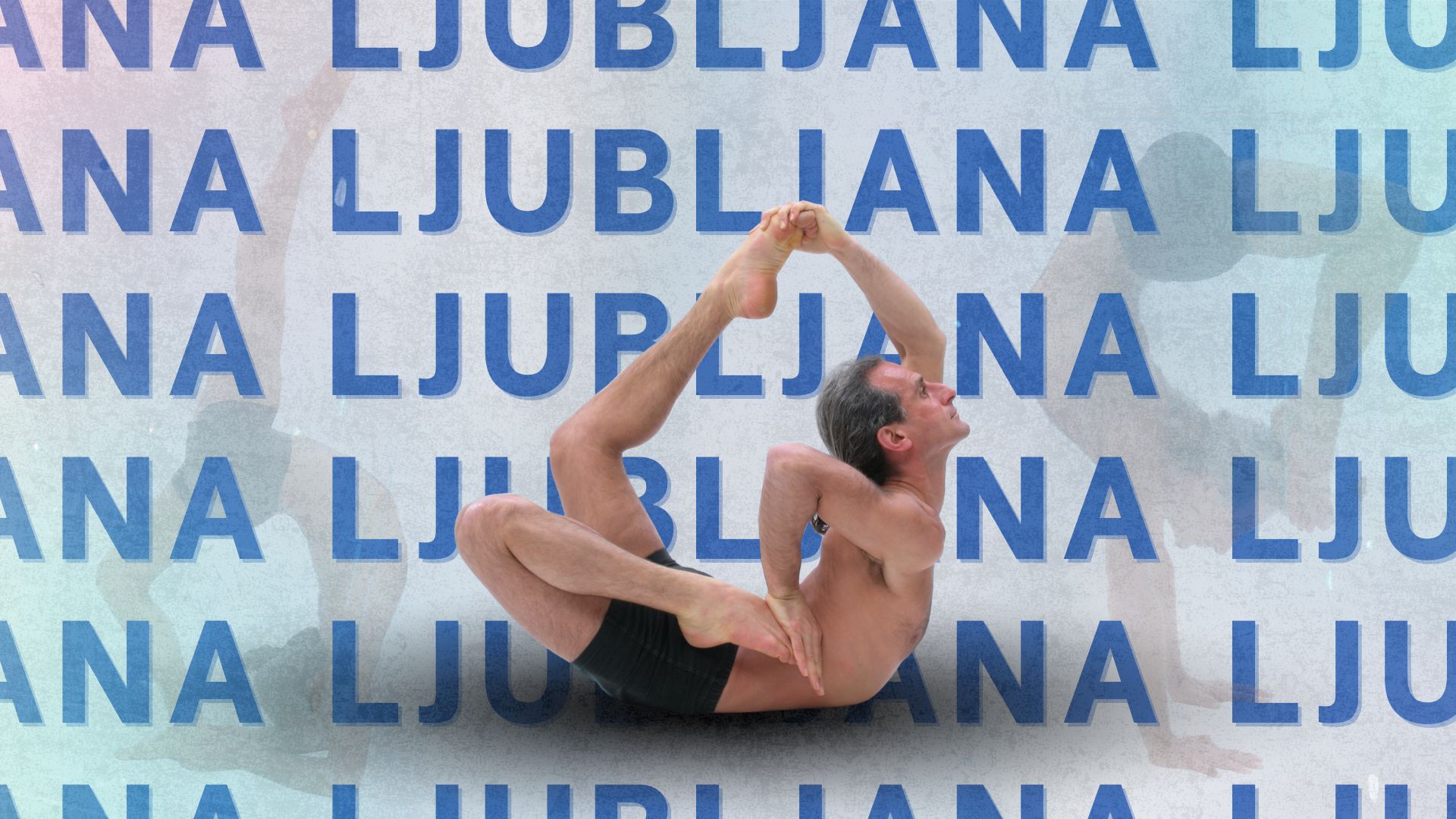
Simon Borg-Olivier practicing a yoga posture against the Ljubljana workshop artwork

Ljubljana, Slovenia · 16–20 June 2027

Asana Unlocked

A five-day asana intensive with Simon Borg-Olivier

Register Now

About the Workshop

A 5-Day Asana Intensive with Simon Borg-Olivier

For teachers and practitioners who want to build a sustainable yoga practice through understanding the biomechanics of 84 foundational yoga postures.

This is Simon’s only asana-focused workshop of 2027. The intensive welcomes yoga teachers, dedicated practitioners and therapists, with options for different levels.

This is not Simon’s classical 5-D Synergy Flow workshop format, but the principles of his method will be woven into the program as a key part of the daily practice and learning.

Over five days, Simon will explain the mechanics of asana, drawing on decades of physiotherapy and international teaching and more than 50 years of personal practice. You’ll study alignment, joint function, muscle co-activation (bandhas), how to integrate breath, and how to progress safely.

Illustration from Simon’s 84 Key Yoga Postures course

Registration

Reserve Your Place

Ljubljana, Slovenia16–20 June 2027
Early Bird
Pay in full
€750
Book Now
Deposit option
€300
Book with Deposit

Early bird ends 1 April 2027.

The price is for training only. Food and accommodation are not included.

Why This Workshop Exists

Many people do yoga postures. Very few understand them.

Modern yoga is full of cues that get repeated without a clear explanation: “tuck the tailbone”, “open the heart”, “engage your core”. Understanding what each cue does helps you decide when to use it and when to adapt it.

This workshop is not based on aesthetic alignment trends, passive stretching models or memorised cues passed down without context.

Rather than focusing on achieving impressive shapes, the emphasis is on understanding the mechanics behind each posture so you can build strength, mobility and stability in a way that is sustainable.

Questions we’ll explore

Practice with less guesswork

Explore the mechanics behind common sources of strain in the back, knees, wrists and shoulders, and learn how to adjust a posture before moving further or adding resistance.

Swipe or use the arrows to browse. Tap, click or hover over a card to reveal the answer.

Workshop curriculum

A structured progression through the mechanics of asana

It’s not about “more poses”. It’s about understanding the ones you’re already practicing taught with physiotherapy-level precision.

Study illustration for Joint Integrity + Bandha (Co-Activation)

01 · Joints

Joint Integrity + Bandha (Co-Activation)

  • Mobility vs instability (how to tell the difference)
  • Compression vs muscular limitation
  • How connective tissue adapts to movement and resistance
  • Bandha as co-activation (mechanical, teachable)
  • Ha and Tha Bandha explained for energy efficiency
Study illustration for Nerves, Reflexes & Neural Mechanics

02 · Nerves

Nerves, Reflexes & Neural Mechanics

  • Brachial plexus, sciatic and femoral nerve pathways in asana
  • Nerve tensioning/flossing (when and why)
  • Nerves and meridians: overlap, differences, practical implications
  • Applying neural mechanics to your asana practice
Study illustration for Spinal Mechanics in All Planes

03 · Spine

Spinal Mechanics in All Planes

  • Segmental flexion & extension
  • Where backbends should originate
  • Unlocking rotation in each vertebrae
  • Understanding spinal sequence
  • How the spine is supported in inversions
Study illustration for Standing Postures & Lower Limb Mechanics

04 · Standing

Standing Postures & Lower Limb Mechanics

  • Foot activation & arch control
  • Tibial tracking & knee safety
  • Hip rotation vs pelvic positioning
  • How to distribute weight in lunges and balances
  • Strength-based mobility vs collapsing range
Study illustration for Forward Bends Reconsidered

05 · Forward bends

Forward Bends Reconsidered

  • Pelvis vs spine contribution
  • Protecting intervertebral discs
  • Rounding isn’t “bad” — uncontrolled rounding is
  • When to stabilise vs when to soften
  • Nervous system reflexes explained
Study illustration for Backbend Mechanics & Support

06 · Backbends

Backbend Mechanics & Support

  • Hip extension as primary driver
  • Avoiding lumbar compression
  • Shoulder mechanics in weight-bearing backbends
  • Strength backbends vs passive hanging
  • Progressive preparation for deeper extension
Study illustration for Internal Pressures, Core Stability, Kriya

07 · Core

Internal Pressures, Core Stability, Kriya

  • Deep abdominal co-activation vs superficial bracing
  • Intra-abdominal pressure & spinal support
  • Why “engage your core” is often misapplied
  • Core integration in postures
  • Understanding kriya and it's effects on asana
Study illustration for Balancing Postures

08 · Balance

Balancing Postures

  • Foot activation and arch integrity
  • Hip control when shifting your weight
  • Breath regulation under instability
  • Why balance exposes compensation patterns instantly
  • Effect transfer to arm balancing
Study illustration for Twists & Rotational Control

09 · Twists

Twists & Rotational Control

  • Thoracic vs lumbar rotation
  • Active control in twists
  • Don't twist deeper with exhales
  • Twisting from your true core
  • Understanding pressure gradients
Study illustration for Inversions & Stability

10 · Inversions

Inversions & Stability

Covered if the group has enough experience.

  • Shoulder stability in weight-bearing
  • Cervical spine safety
  • How the arms and shoulders support forearm balance and handstand
  • Internal abdominal pressure
  • Safe progressions into inversion
Study illustration for Arm Balances

11 · Arm balances

Arm Balances

Covered if the group has enough experience.

  • How the wrists and shoulders support arm balances
  • Scapulohumeral rhythm & stability
  • Core-to-arm force transfer
  • Progressive capacity building
  • How to scale intelligently for different bodies
Study illustration for Adaptations & Teaching Clarity

12 · Integration

Adaptations & Teaching Clarity

  • Sthira Sukham Asanam embodied
  • Simplifying postures without losing the purpose
  • Choosing the simplest effective cue
  • How to see compensation patterns quickly
  • Preventing injuries and making it sustainable

The course behind the workshop

Based on Simon’s bestselling course 84 Key Yoga Postures

More than 20 years ago, Simon taught and filmed a course exploring key hatha yoga postures that appear across traditions. It gave practitioners a way to understand what was happening in each posture and apply that understanding to their own practice.

In Ljubljana, Simon will build on that original material with insights from decades of clinical work, teaching and practice.

Watch a 30-minute lesson from the original course

Will I learn something new if I’ve already taken the course?

Yes. Simon brings new ideas and updates to the original material. He’ll also use 5D Flow principles to show how you can move more naturally into, out of and between postures.

Who this is for

For people who want to know why a posture works

This five-day intensive is for practitioners who want to go beyond shapes and understand why and how postures work. Whether you practice or teach, the goal is to replace guesswork with clear mechanical principles so your yoga stays effective and sustainable over time.

Yoga practitioners

Make sense of postures you already practice and learn to adapt them as your body and practice change.

Teachers & trainees

Understand what a cue does before using it, and choose variations that preserve the purpose of the posture.

Movement professionals

Bring your perspective as a physiotherapist, bodyworker or trainer and explore how these principles apply to yoga.

Injury Prevention

Prevent Injury & Unlock the Full Benefits of Yoga

Explore classical hatha yoga postures

Study the most widely practiced standing, seated and floor postures through the lens of physiotherapy and Simon’s more than 50 years of practice.

Understand the science behind the practice

Learn how biomechanics, physiology, breath and the nervous system can inform the way you practice and teach.

Build a practice you can sustain

Learn to avoid common pitfalls in modern yoga, like forcing a shape or stretching passively, and adapt familiar postures to the way your body moves.

The problem: Common yoga-related injuries

Forcing a posture or moving passively without active control can put unnecessary strain on the body. In the workshop, we’ll look at:

  • Lower back discomfort: what happens around L5–S1 in a backbend when the spine higher up doesn’t extend easily.
  • Knee strain: how limited movement at the hips or feet can affect the knees, and how to use active movement to support knee stability.
  • Wrist pain: how to support your wrists in postures where you put weight through your hands.
  • Shoulder problems: how to develop strength and mobility so your shoulders can move in all directions.
  • Neck tension: how to approach inversions safely and release tension in the neck.

The solution: Learn to adapt the posture

Simon uses physiotherapy and biomechanics to explain what each posture asks of the body and how to make it work for the person practicing it.

  • Understand the purpose of the posture and which joints and muscles help you get there.
  • Adjust the range, alignment or support to suit the person practicing.
  • Build strength and mobility through active movement without forcing a deeper position.
  • Choose a variation that keeps the purpose of the posture.

Testimonials

What Students Say

Trusted by teachers, therapists, and long-time practitioners

More testimonials

Having completed advanced anatomy study before, this training consolidated my understanding of bandhas by showing their application in each posture. I now feel more confident teaching bandhas comprehensively. Thanks once again Simon for your tireless efforts!

Pippa Matthews

Doing yoga without understanding your body is a sure way to get injured. This material gives you the information you need for safe, effective practice — and Simon delivers it with clarity, enthusiasm, and real teaching skill.

Zoltan Yoga Student

I’m blown away by the information. Thank you for helping me understand my body better and become a better yoga teacher!

Patrick Kiefer

I got so much out of this. The explanations are consistent and logical throughout, and as you progress you find deeper understanding in each posture. There was always an emphasis on practicing safely. Well worth it for practitioners at all levels.

Beverley Kampel

I loved it. I gained so much knowledge about working with injuries, plus practical tips for alignment, breathing, and movement. Simon is a natural-born teacher who can explain anything in an accessible way.

Alina Cvetkova

I've been practising Ashtanga for many years, but what Simon shared revolutionised my practise. Now I can practice with so much more ease — and after practice, I feel energised rather than drained.

George Symonds Ashtanga Practitioner

After years of regular yoga practice, my lower back, wrists, and shoulders were actually worse. I was often shown only the final stages of postures and pushed too far. Simon changed how I practice completely. I can now practice without pain, discomfort, or loss of motivation.

Olivier Deletroz Chiropodist

This filled in all the gaps my teacher training left behind. Complex anatomy and physiology finally clicked. Deep, detailed, and yet accessible — every teacher should go through this, no matter how long they've been teaching.

David

This contains a lifetime of wisdom. It explains joint mechanics and muscle activation so clearly that it became my primary resource. I’m incredibly happy with what I've learned!

Helen Rust

Class Times & Daily Flow

Each day runs from 08:00 to 16:00, with preparatory movement, close study of asana, a lunch break and time to apply what you’ve learned.

Hover or tap a card for details.

Detailed Schedule

The practices and lectures build on one another over five days. The final day is the most physically demanding, with five to six hours of practice.

You can adapt every session with a lighter version, props or a chair.

Each morning uses one or more of the five main synergies (Spinal, Joint, Mind, Breath and Core) to prepare your body. Asana is the focus; this is not a 5D Synergy Flow workshop.

The most commonly taught and practiced postures are shown in bold. Simon spends about 10–15 minutes explaining each posture on average, with extra time and several sets of instructions for the highlighted postures in an asana clinic. The aim is to understand the principles and apply them in your own practice.

The 84 postures are a teaching outline. Simon may cover some briefly if time is limited or the group is not ready, and the schedule may change to suit the workshop.

Day 1 · Wednesday 16 JunePostures 1–19

Morning Session (08:00–11:00)

  • 1 h · Spinal Synergy class with verbal and visual instruction (spinal preparation).
  • 2 h · Postures with verbal and visual instruction:
    1. Tadasana
    2. Urdhva Hastasana
    3. Utkatasana
    4. Uttanasana
    5. Lolasana
    6. Adho Mukha Vrksasana
    7. Marjarasana

Lunch Break (11:00–12:00)

Q&A / Discussion + Afternoon Preparation (12:00–13:00)

  • 30 min · Q&A and topic discussion: Spinal Mechanics in All Planes; Standing Postures and Lower Limb Mechanics.
  • 30 min · Posture session:
    1. Chaturanga Dandasana
    2. Bhujangasana
    3. Salabhasana

Afternoon Session (13:00–16:00)

  • 2 h 20 min · Postures with verbal and visual instruction:
    1. Urdhva Mukha Svanasana
    2. Adho Mukha Svanasana
    3. Utthita Trikonasana
    4. Ardha Candrasana
    5. Parivrtta Ardha Candrasana
    6. Parivrtta Trikonasana
    7. Utthita Parsvakonasana
    8. San Chalanasana
    9. Parivrtta Parsvakonasana
  • 40 min · Posture-based class with verbal and visual instruction, including spinal movements.
Day 2 · Thursday 17 JunePostures 20–39

Morning Session (08:00–11:00)

  • 1 h · Joint and Spinal Synergy class with verbal and visual instruction (joint preparation).
  • 2 h · Postures with verbal and visual instruction:
    1. Prasarita Padottanasana A–D / Gadjasthana
    2. Parsvottanasana
    3. Vrksasana
    4. Garudasana
    5. Padangusthasana
    6. Parsva Padangusthasana
    7. Urdhva Prasarita Eka Padasana
    8. Natarajasana

Lunch Break (11:00–12:00)

Q&A / Discussion + Afternoon Preparation (12:00–13:00)

  • 30 min · Q&A and topic discussion: Joint Integrity (Bandha); Nerves, Reflexes and Neural Mechanics.
  • 30 min · Posture session:
    1. Ardha Baddha Padma Padottanasana
    2. Utthita Virabhadrasana (I)
    3. Parivrtta Virabhadrasana (II)
    4. Niralamba Virabhadrasana (III)

Afternoon Session (13:00–16:00)

  • 2 h · Postures with verbal and visual instruction:
    1. Vasisthasana
    2. Pincha Mayurasana / Sirsasana
    3. Paschimottanasana
    4. Purvottanasana
    5. Ardha Baddha Padma Paschimottanasana
    6. Ardha Matsyendrasana
    7. Tiriang Mukha Eka Pada Paschimottanasana
    8. Parighasana
  • 1 h · Posture-based class with verbal and visual instruction.
Day 3 · Friday 18 JunePostures 40–59

Morning Session (08:00–11:00)

  • 1 h 20 min · Mind, Joint and Spinal Synergy class with verbal and visual instruction (mind preparation).
  • 1 h 40 min · Postures with verbal and visual instruction:
    1. Krounchasana
    2. Bharadvajasana
    3. Parivrtta Janu Sirsasana
    4. Paripurna Janu Sirsasana
    5. Maha Mudra
    6. Marichyasana
    7. Parivrtta Marichyasana
    8. Navasana

Lunch Break (11:00–12:00)

Q&A / Discussion + Afternoon Preparation (12:00–13:00)

  • 30 min · Q&A and topic discussion: Forward Bends Reconsidered; Internal Pressures, Core Stability and Kriya.
  • 30 min · Posture session:
    1. Eka Hasta Bhujasana
    2. Astavakrasana
    3. Dwi Hasta Bhujasana
    4. Bhujapidasana

Afternoon Session (13:00–16:00)

  • 1 h 30 min · Postures with verbal and visual instruction:
    1. Kurmasana
    2. Tittibhasana
    3. Ardha Matsyendrasana
    4. Gomukhasana
    5. Baddha Konasana
    6. Upavistha Konasana
    7. Simhasana
    8. Padmasana / Baddha Padmasana
  • 1 h 30 min · Posture-based class with visual and verbal instruction.
Day 4 · Saturday 19 JunePostures 60–80

Morning Session (08:00–11:00)

  • 1 h 30 min · Mind, Joint and Spinal Synergy class with visual instruction, followed by Breath and Core Synergy with verbal instruction (breath and core preparation).
  • 1 h 30 min · Postures with verbal and visual instruction:
    1. Anantasana
    2. Akarna Dhanurasana
    3. Samakonasana
    4. Hanumanasana
    5. Mayurasana / Eka Hasta Mayurasana
    6. Dhanurasana
    7. Supta Virasana
    8. Ustrasana / Laghu Vajrasana / Kapotasana

Lunch Break (11:00–12:00)

Q&A / Discussion + Afternoon Preparation (12:00–13:00)

  • 30 min · Q&A and topic discussion: Backbend Mechanics and Support; Balancing Postures; Arm Balances.
  • 30 min · Posture session:
    1. Eka Pada Rajakapotasana
    2. Setu Bandhasana
    3. Urdhva Dhanurasana
    4. Supta Pavanmuktasana
    5. Eka Pada Supta Pavanmuktasana
    6. Eka Pada Supta Padangusthasana

Afternoon Session (13:00–16:00)

  • 1 h · Postures with verbal and visual instruction:
    1. Jathara Parivartanasana
    2. Malasana
    3. Bakasana
    4. Eka Pada Bakasana
    5. Parsva Bakasana / Eka Pada Koundinyasana
    6. Eka Pada Galavasana
    7. Urdhva Kukkutasana
  • 2 h · Posture-based class with verbal and visual instruction.
Day 5 · Sunday 20 JunePostures 81–84

Morning Session (08:00–11:00)

  • 2 h · 5D Synergy Flow class with visual instruction and live music.
  • 1 h · Postures with verbal and visual instruction:
    1. Sarvangasana
    2. Halasana
    3. Uttana Padasana
    4. Finishing practices: Parivrtta Padmasana, Yoga Mudrasana, Tolasana, Dhyana in Padmasana, Siddhasana, Sukhasana or any comfortable seated posture, and Savasana

Lunch Break (11:00–12:00)

Q&A / Discussion + Afternoon Preparation (12:00–13:00)

  • 1 h · Q&A and topic discussion: Twists and Rotational Control; Adaptations and Teaching Clarity.

Afternoon Session (13:00–16:00)

  • 2 h 30 min · Posture-based class with verbal and visual instruction.
  • 30 min · Closing circle and thank you.

Investment & value

What You’re Investing In

A five-day intensive that combines guided practice with the depth of a teacher training. You’ll study the mechanics of asana and learn how to apply them in your own practice or teaching.

5 daysof in-person study
YACEPcontinuing education
Teacher-training leveldepth and precision
Applied anatomyin practice

Five days with Simon

Study how joints, nerves and breathing work in asana through in-person practice, interactive lectures and demonstrations with Simon.

Tools for practice & teaching

Work with cues, variations and transitions you can take back to your own practice or classes.

Questions & discussion

Ask Simon about the material and how it applies to the situations you encounter in practice.

Printed workbook

Take home a workshop manual to review the principles and make your own notes.

Certificate of completion

Receive a certificate for your records. Yoga teachers can use the workshop for continuing education.

50% off an advanced course

After the workshop, you’ll receive a discount code for 50% off one of Simon’s three advanced courses.

Beyond the practice hall

Spend time together in Ljubljana

We’re planning an ecstatic dance session, an outdoor 5D Synergy Flow class and a farewell dinner. These are optional. We’ll email the times, locations and any separate booking details to participants.

Study with Simon Borg-Olivier

Simon Borg-Olivier is a physiotherapist, molecular biologist and yoga teacher with more than 50 years of practice and over 40 years of teaching experience.

Simon Borg-Olivier

Simon’s teaching grew out of years of study with Sri B.K.S. Iyengar, Sri K. Pattabhi Jois and Sri T.K.V. Desikachar, as well as teachers from India, Tibet, Japan and China. He later co-founded YogaSynergy, bringing traditional yoga practice into conversation with physiotherapy.

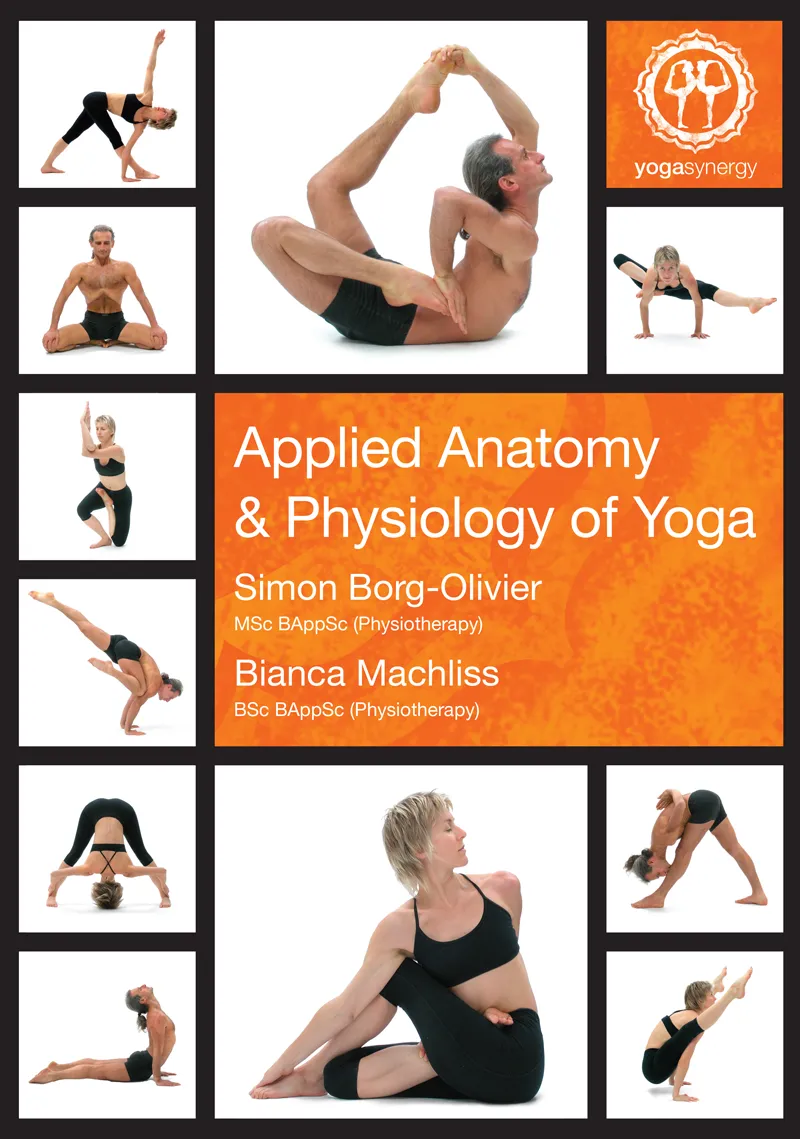
His scientific work has centred on posture, movement and breathing. He taught at RMIT University and co-authored Applied Anatomy and Physiology of Yoga, a reference for students and teachers who want to understand what happens in the body during practice.

Simon also studied Wing Chun with Grandmaster William Cheung and internal martial arts with Master Zhen Hua Yang. Those studies helped shape his 5-Dimensional Flow system, which draws on principles shared by yoga, qigong, martial arts, dance and physiotherapy.

In Ljubljana, you’ll explore those connections with Simon through daily practice, interactive lectures, demonstrations and discussion. You’ll have time to try the ideas in your own body and ask questions as the practice develops over the five days.

50+ years of experience
50k+ students taught worldwide
50+ countries taught in

Location & practical details

Where You’ll Practice

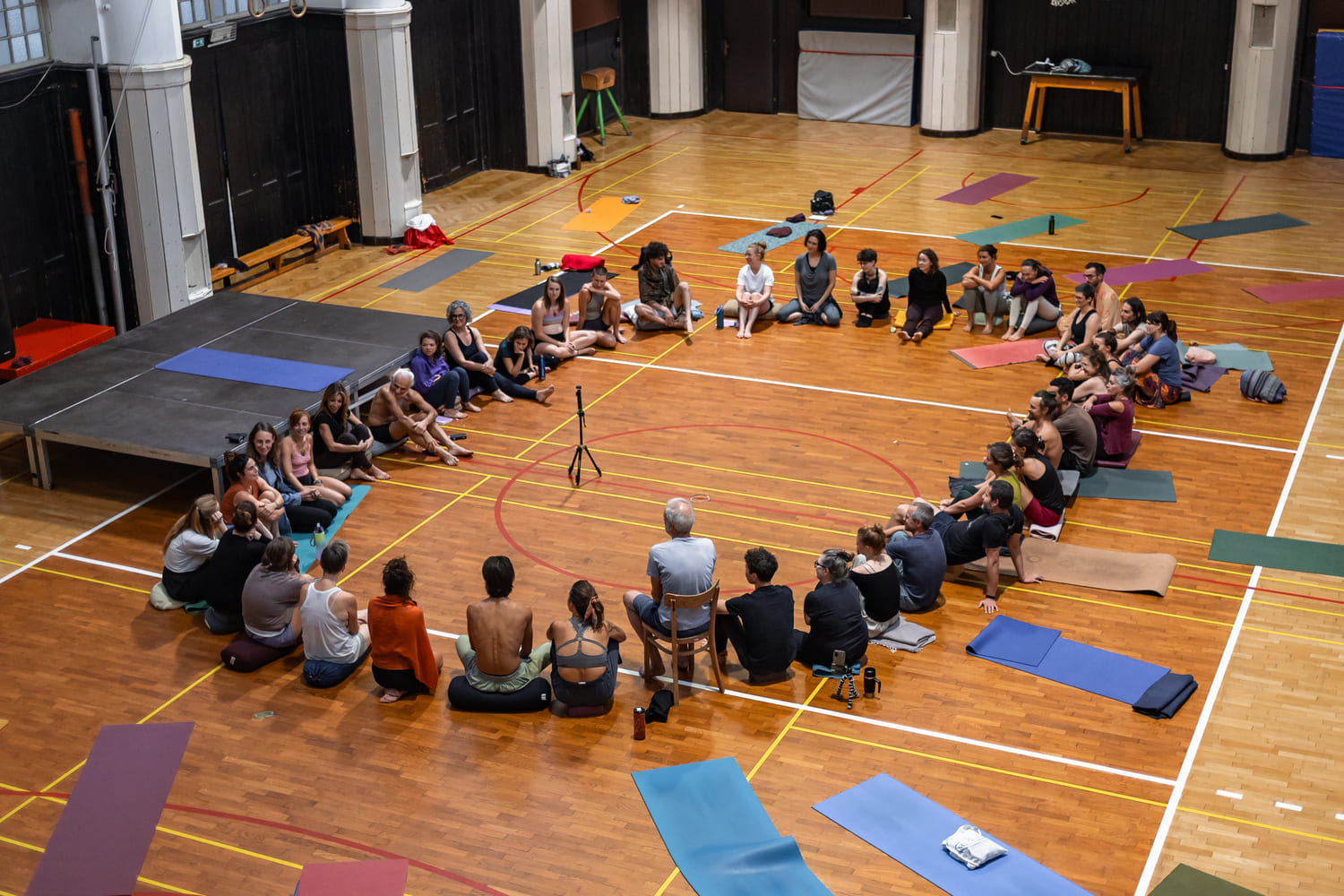
The workshop takes place at Športno društvo Tabor in central Ljubljana.

Exterior of Športno društvo TaborPractice hall inside Športno društvo TaborLjubljana city view

Športno društvo Tabor

Tabor 13, 1000 Ljubljana, Slovenia

Accommodation & food

Accommodation and meals are not included. Arrange your own stay and bring lunch or visit one of the cafés nearby.

What to bring

Bring a yoga mat, water bottle and any props you use, such as a bolster, cushion or blanket. A notebook is useful for the lectures. If you’re travelling and can’t bring a mat or props, contact us in advance. We may be able to help.

Parking

For street parking, follow the posted rates and time limits. We’ll email more parking details after you register.

Frequently Asked Questions

Suitability

Who is this workshop for?

Yoga practitioners, teachers, trainees and movement professionals who want to understand how asana works and how to adapt it. A basic understanding of anatomy is expected.

What level is the workshop?

It’s an intensive for yoga practitioners, teachers, trainees and movement professionals. The material is detailed, and a basic understanding of anatomy is expected. Options for lighter practice, props or chair support are available.

Do I need prior anatomy knowledge?

Yes. You should have a basic understanding of anatomy, such as the major joints, muscle groups and common directions of movement. You don’t need advanced training. Simon explains the applied concepts as they come up in practice.

Can I attend if I have an injury or physical limitations?

People with minor injuries or movement limitations can adapt the practices and work within their own capacity. Please contact us in advance if you have a medical condition or are recovering from injury or surgery. The workshop does not replace personalised medical advice or treatment.

Still have a question? Email [email protected].

Registration

Join Asana Unlocked in Ljubljana

Explore what makes familiar yoga postures work and take home practical ways to adapt them for your own practice or teaching.

Ljubljana, Slovenia16–20 June 2027
Early Bird
Pay in full
€750
Book Now
Deposit option
€300
Book with Deposit

Early bird ends 1 April 2027.

Only full-event tickets are available. Partial participation is not possible.

The price is for training only. Food and accommodation are not included.

© 2026 All Rights Reserved.