
Secrets & Science
of Pranayama
Budapest, Hungary
24th - 26th July, 2026
The Secrets & Science of Breathing
The Only Pranayama Intensive Workshop
This is not a classical breathwork workshop. This is an in-depth exploration of how breathing actually works on a cellular, neurological, physiological, and energetic level.
Across three focused days, you will learn why less breathing creates more energy, the secrets of pranayama not shared elsewhere, and the science of how breath, movement, digestion, and consciousness are inseparable.
Simon Borg-Olivier is a molecular biologist, physiotherapist and yoga educator with over 50 years of experience teaching worldwide.
This workshop is intense yet accessible to practitioners of all levels from yoga teachers and practitioners, to therapists and anyone who wants to live a healthy and happy lives.
This is the only breath-control themed workshop of the entire year and a unique opportunity to learn this.
Join Now
Secure your place for the Budapest 2026 workshop.
Why This Workshop Exists?
There's a widespread problem in the modern yoga and breathwork communities. And that's lack of understanding how breathing actually works on a cellular level.
Most modern breathwork classes will promote more breathing to get some effects. Real pranayama points in the opposite direction.
The essence of pranayama is not breathing more but learning how to breathe less, so that oxygen can actually reach the cells, the nervous system can calm, and energy can circulate optimally.
This workshop exists to restore the original intelligence of breathing, grounded in modern physiology and ancient yogic practice.
Much of what is taught here comes directly from decades of research and clinical experience described in Simon’s work on breath regulation and hypoventilation
About the workshop
This is a 3-day breath-control intensive dedicated entirely to understanding pranayama and breathing at a physiological and energetic level.
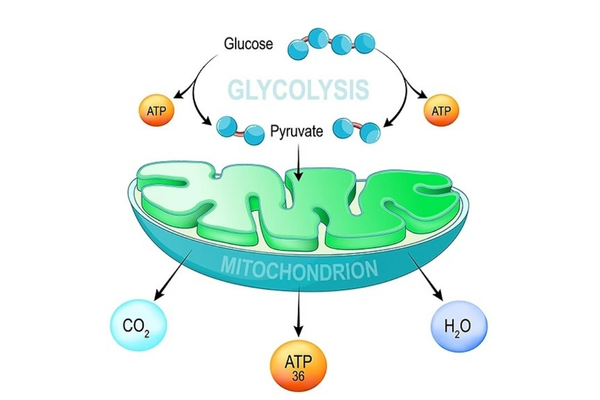
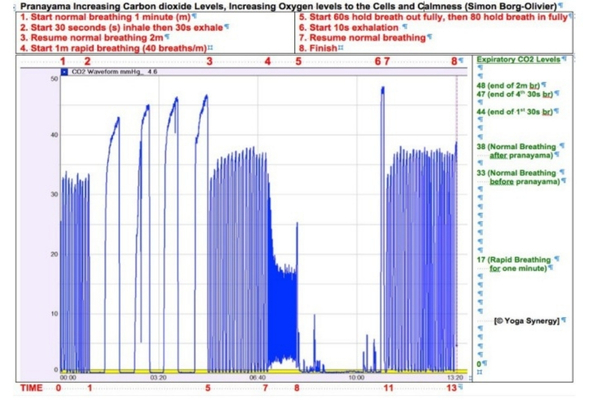
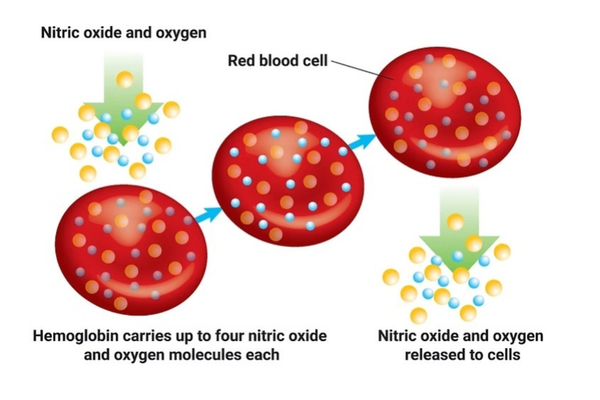
Rather than teaching a collection of breathing techniques, this workshop explores how breathing actually works — how it affects cellular oxygen delivery, carbon dioxide levels, blood flow, digestion, immunity, and the nervous system.
Through lectures and guided practices, Simon clarifies the real function of prana and kriyā, removing mysticism and grounding them in anatomy, physiology, and lived experience.
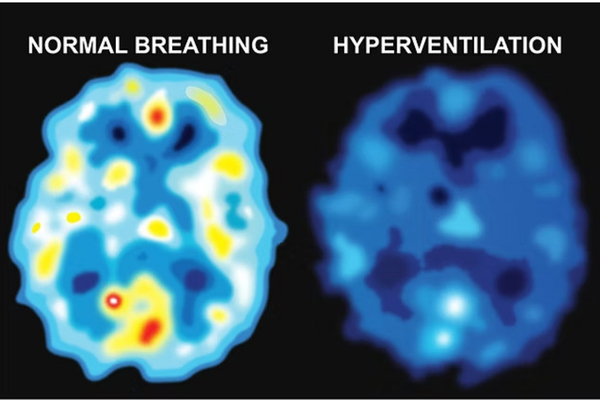
You’ll learn why over-breathing is one of the most common hidden stressors in yoga, fitness, and daily life, and how traditional pranayama was designed not to increase breathing, but to breathe as little as possible.
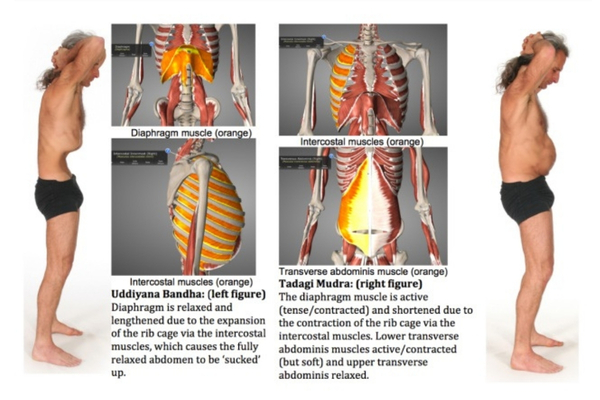
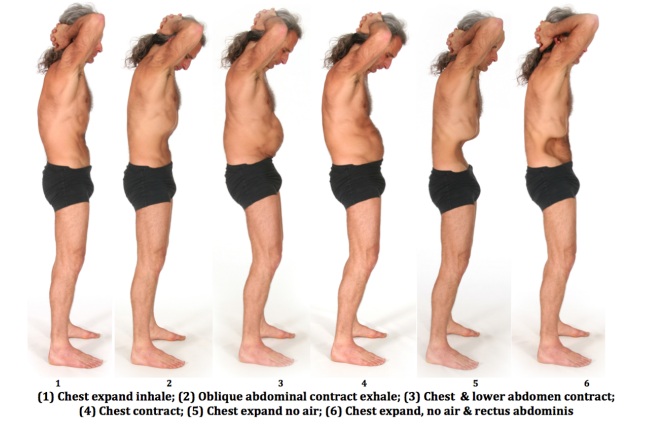
You'll explore breathing in direct relationship with posture, internal pressure, the diaphragm, and the pelvic floor and learn what true 360° breathing really means.
How this work differs from popular breathwork methods
This workshop is not based on popular breathwork methods such as Wim Hof or holotropic breathwork.
Rather than focusing on applying a powerful technique, the emphasis is on understanding the physiology of breathing, learning how to regulate breath safely, and developing the capacity to remain calm and efficient under stress.
This workshop is not:
Surface level understanding
Emotional release through forced breathing
A collection of pranayama techniques to memorize
Instead, you will learn:
How pranayama and methods really work
How breathing affects CO₂, oxygen delivery, blood flow, cardiovascular efficiency, digestion, immunity, and the nervous system
Why over-breathing is one of the most common hidden stressors in yoga and movement practices
How to teach and practice without unintentionally pushing students into hyperventilation
Who this workshop is for
This workshop is designed for people who want a deeper, more scientific understanding of breathing. Not just learning the techniques, but the principles that make techniques work.
It’s especially relevant for:
Yoga teachers who want to teach pranayama and breath cues safely, without unintentionally pushing students into over-breathing or stress.
Freedivers who want to understand breath control, CO₂ tolerance, calm under pressure, and a clearer understanding of breath retention from a physiological perspective.
Athletes who want better recovery, nervous system regulation, and performance support through efficient breathing rather than forced breathing.
Breathwork practitioners who are curious about the science behind their methods and want a framework that prioritises regulation, context, and long-term sustainability.
This workshop is suitable for beginners, but it goes deep. Experienced practitioners and teachers will gain a refined understanding they can apply immediately.
What This Workshop Isn’t Designed For
What you'll learn
Each session includes posture, movement, breathing, and mental control integrated into simple, effective practices suitable for all levels.
The physiology of "breathing less"
How oxygen actually enters the cells
The role of carbon dioxide in calm, focus, and energy
Why breathing less improves clarity, strength, digestion, and vitality
The real meaning of “360° breathing”
Not chest–belly–collarbones
But an integrated loop of pelvic floor → lower back → upper back → chest → abdomen
Pelvic floor & diaphragm intelligence
Releasing unnecessary tension
Using breathing muscles for strength without excess breathing
Improving cardiovascular understanding and connection to movement
Prana, kriya & mudra demystified
What these concepts actually refer to in the body
How they relate to pressure, flow, nerve signalling, and internal movement
Why food, breathing, and energy are inseparable
Rare & Advanced Teachings
This workshop includes material rarely taught publicly by Simon.
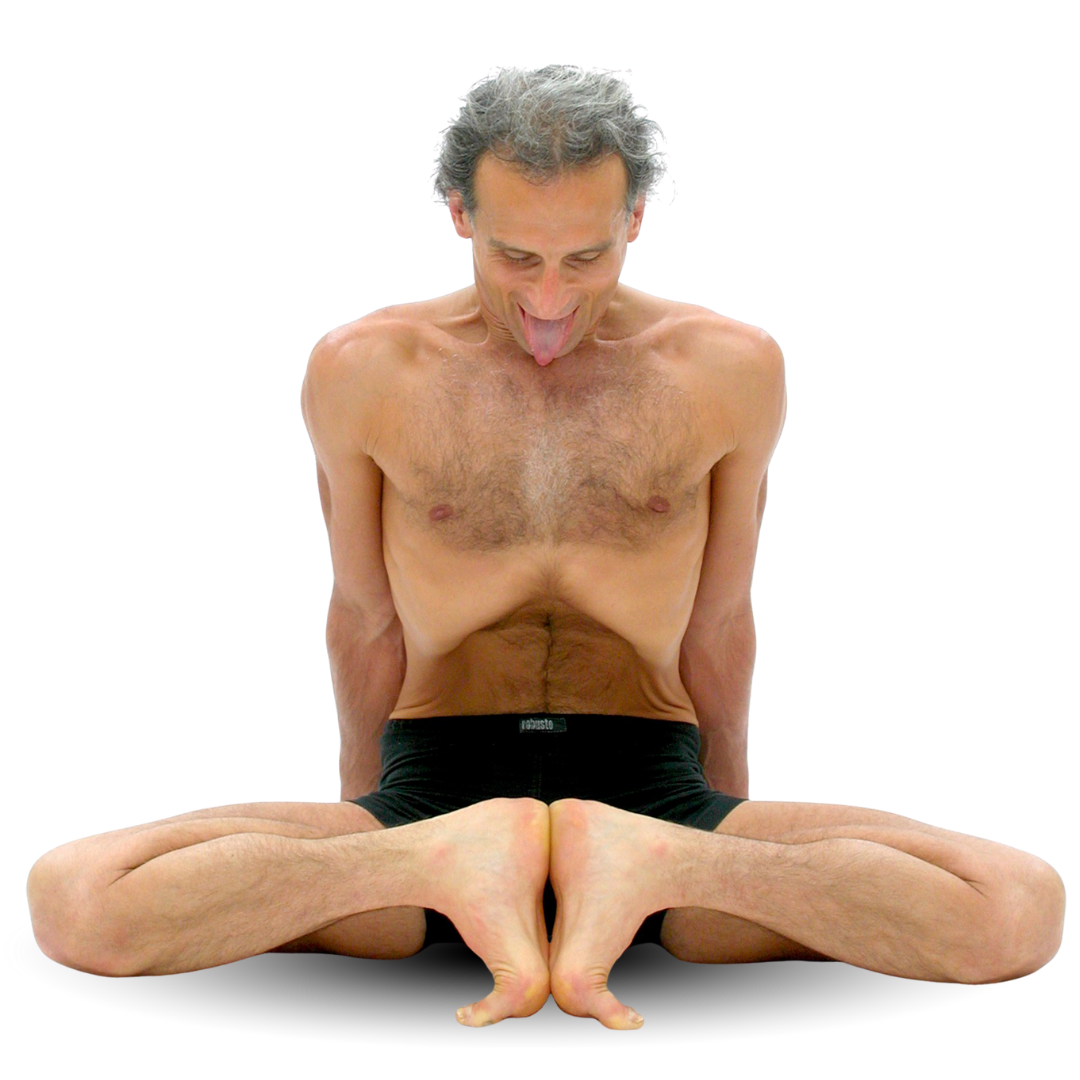
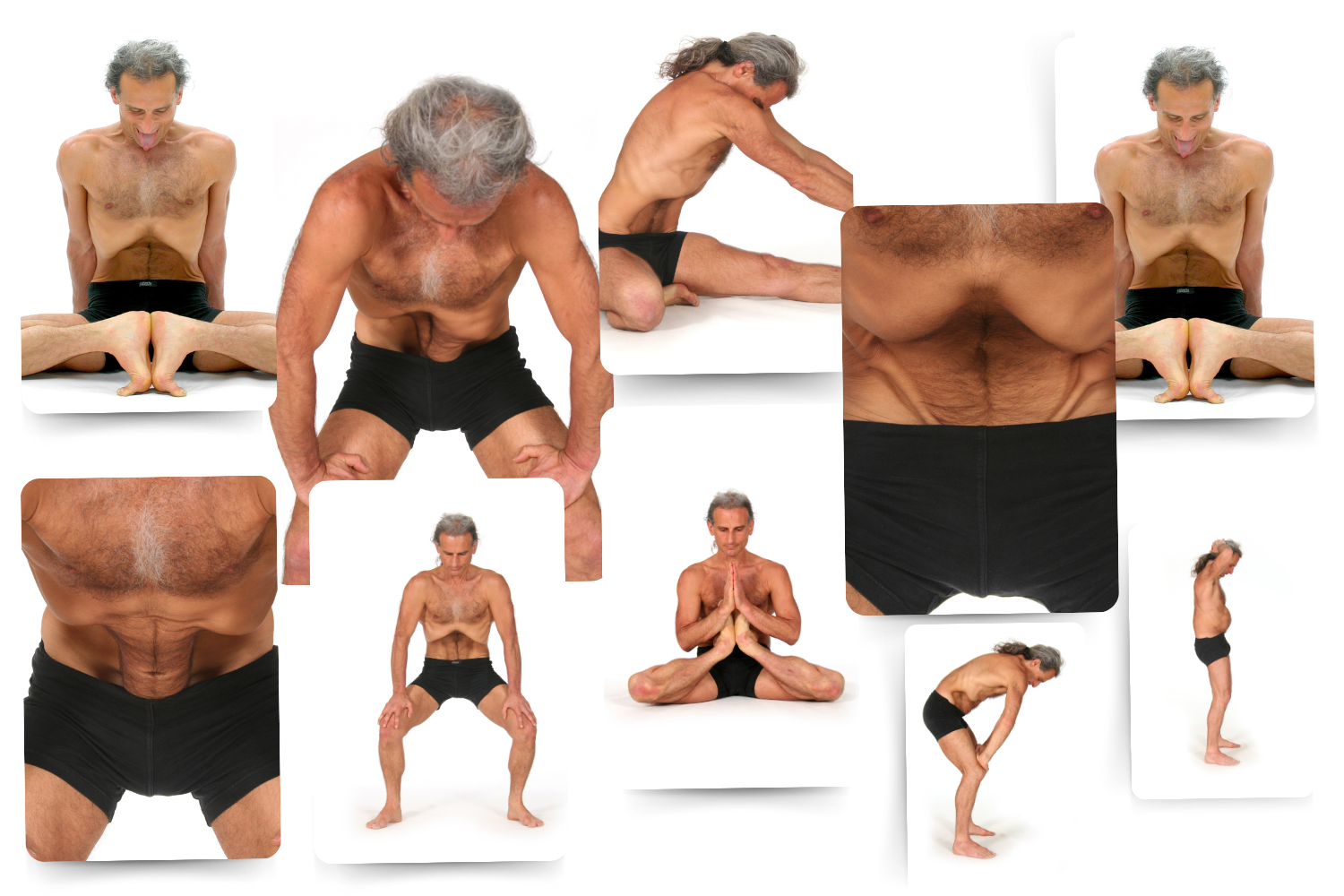
He will teach techniques like Uddiyana Bandha, Nauli Kriya, and for those who already have a foundation, he will introduce Vertical Nauli Kriya which is an advanced internal practice almost unknown in contemporary yoga.
He'll introduce the essence of his Mind Synergy system which covers kriya techniques including eyes, tongue and abdominal control.
You will also explore:
The essence of 5-Dimensional Flow
How to connect your conscious and unconscious mind with simple movements
How to maximize the muscles of breathing while minimizing the breathing itself
These practices are taught gently, progressively, and with full physiological context.
Schedule
FRIDAY, 24.7. (17:00–20:00)
Lecture (1h 30 min)
Paradigms of Breathing in Modern Yoga & Fitness
The Importance of Breathing Less for Health & Longevity
Guided practice with verbal/visual instructions and music (1h 30 min)
SATURDAY, 25.7. (09:00–17:00)
MORNING (09:00–12:00):
Interactive lecture: Restoring Natural Breathing (1h 30min)
Interactive Lecture: Chanting & Moving Meditation (30 min)
Guided practice with verbal/visual instructions and music (30 min)
LUNCH BREAK (12:00–13:00)
OPTIONAL QA & TOPIC DISCUSSION – Unlocking Psoas & Prolonged Effects of Sitting on Breathing (13:00–14:00)
AFTERNOON (14:00–17:00):
Interactive lecture (2h)
Unlocking Your Pelvic Floor & Diaphragm
Learning Nauli Kriya & Belly Rolling
Applying the Principles to Asana
Guided practice with verbal/visual instructions and music (1h)
SUNDAY, 26.7. (09:00–17:00)
MORNING (09:00–12:00):
Interactive lecture: Unlocking Supernatural Breathing (1h 30 min)
Guided practice with verbal/visual instructions and music (1h 30 min)
LUNCH BREAK (12:00–13:00)
OPTIONAL QA & TOPIC DISCUSSION – Kriya, Mudra, Bandha and Connection with Breathing (13:00–14:00)
AFTERNOON (14:00–17:00):
Interactive lecture: Applying Kriya, Mudra & Pranayama to Your Yoga (1h 15 min)
Guided practice with verbal/visual instructions and music (1h)
QA (30 min)
Closing circle (15 min)
Where you’ll practise
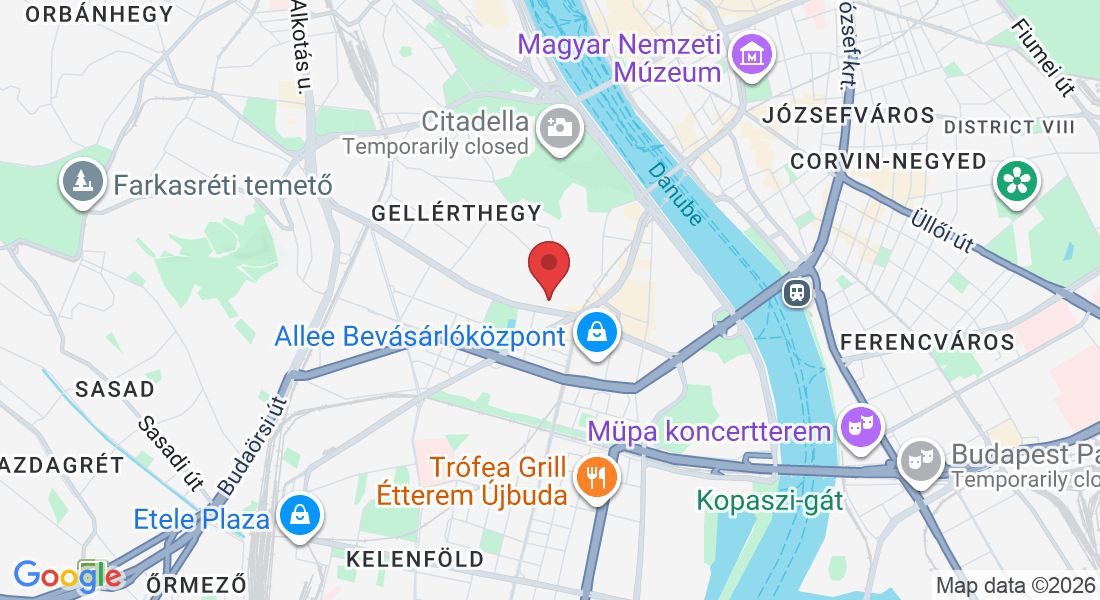
The workshop takes place at St. Margaret High School, located at Villányi út 5–7, 1114 Budapest, in one of the city’s greener and quieter areas, close to the Buda hills.
The sessions will be held in a large, spacious hall, offering plenty of room for movement, standing practices, and seated work. The environment is calm, bright, and well suited for focused study, lectures, and guided practice over multiple days.
Yoga mats and props are not provided at the venue. Please bring your own yoga mat and something to sit on like a block or a bolster.


Meet Simon Borg-Olivier
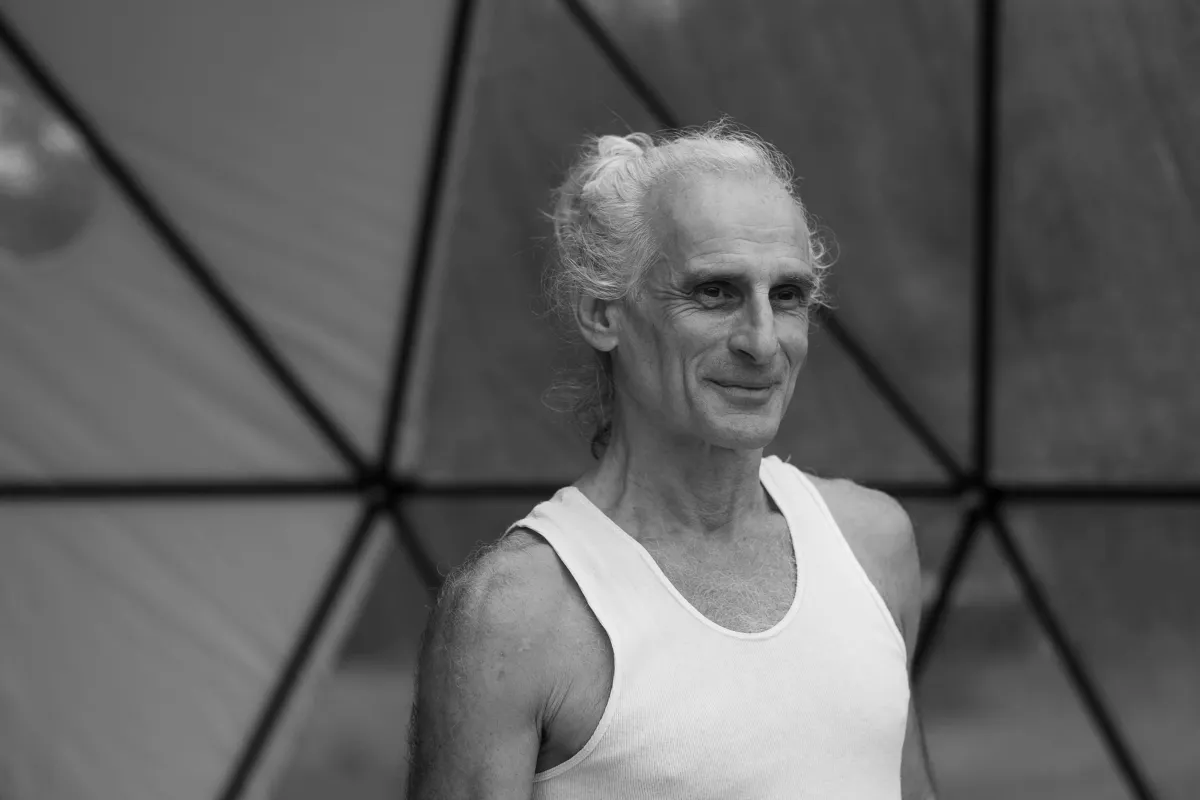
Simon Borg-Olivier, MSc BAppSc (Physiotherapy) APAM c-IAYT, has been practicing traditional forms of posture, movement, breathing, and mental control for 50 years. He has been teaching for over 40 years and has been a registered physiotherapist for 25 years.
Read more about Simon
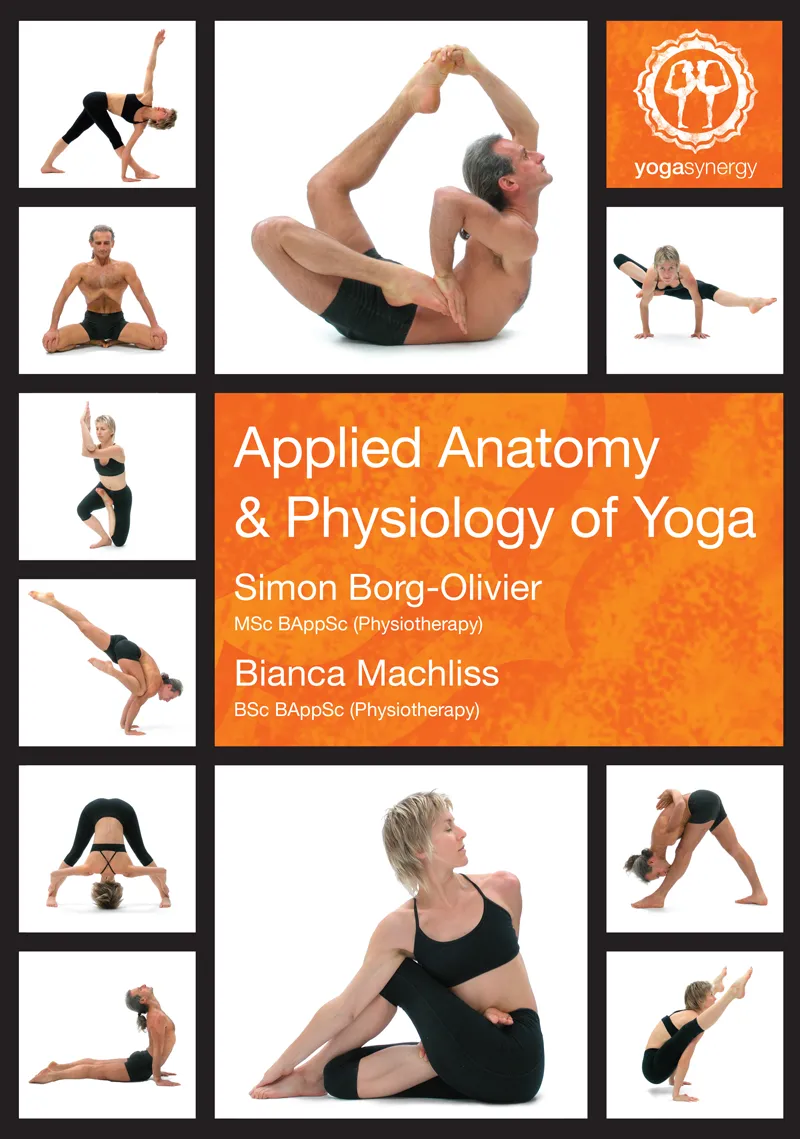
Simon has studied with great traditional masters from Tibet, Japan, India, and China. Along with his business partner and fellow physiotherapist, Bianca Machliss, Simon has co-authored many scientific articles including the book ‘Applied Anatomy and Physiology of Yoga’, which is the textbook for two courses they teach at RMIT University in Melbourne, Australia.
Simon has worked as a research scientist and a University lecturer. He has been regularly invited to teach about lifestyle, posture, movement, breathing, and meditation at conferences, festivals, and intensive teacher training courses internationally since 1990.
He is also co-director of YogaSynergy, one of Australia’s oldest and most respected yoga schools, which has a style based on a deep understanding of modern medical science and traditional forms of exercise and therapy from all over the world.
He is the sole founder of 5-Dimensional Flow system which draws from the common origin of all movement methods across the world. An intelligent practice that combines all knowledge from a lifetime of Simon's experience in teaching and research.
Currently, Simon conducts intensive training courses in India, Europe, and Australia. He also teaches many online courses on the applications of posture, movement, and breathing for fitness, internal health, wellbeing, and longevity.
What other people are saying about Simon...
FAQ
Who is this workshop for?
This workshop is suitable for yoga teachers, movement professionals, athletes, free divers, therapists, and dedicated practitioners who are interested in understanding breathing on a deeper physiological and energetic level.
It is especially relevant for those who want to teach or practice breathing safely, intelligently, and without unnecessary stress.
Do I need prior pranayama or breathing experience?
No prior pranayama or breathing experience is required. The workshop does not begin with classical techniques such as counting, ratios, or prescribed breathing patterns. Instead, it starts with the biology of breathing — how breath affects carbon dioxide levels, oxygen delivery, pressure regulation, and the nervous system.
From this foundation, practices are introduced progressively and intelligently. Experienced practitioners will gain deeper clarity, while beginners will build an understanding that supports safe and effective practice long-term.
Can I attend if I have an injury or physical limitations?
Many participants attend with minor injuries or movement limitations. The practices are adaptable, and you are encouraged to work within your own capacity at all times. However, this workshop is not a substitute for medical treatment or personalised medical advice.
If you have a medical condition such as high or low blood pressure, cardiovascular conditions, respiratory issues, or are currently recovering from injury or surgery, please contact us in advance so we can advise whether the workshop is appropriate for you.
Will there be theory, practice, or both?
The workshop blends theory and practice. It integrates clear theoretical explanations with guided breathing, movement, and awareness-based practices.
Sessions often begin with experiential exercises so participants can feel the effects of different breathing patterns in real time. These experiences are then explained through physiology, biomechanics, and energetic principles, helping participants understand why the practices work, not just how to do them.
Theory and practice are interwoven throughout the workshop, with space for questions and discussion. For a detailed breakdown of session timing, please refer to the full schedule.
Is this a breathwork workshop?
No. This is not a breathwork workshop in the modern sense. It does not involve cathartic breathing, hyperventilation, emotional release, or altered states.
The focus is on breath control and understanding how breathing affects physiology, energy, and the nervous system for health.
Will we practice advanced techniques such as breath retention or nauli?
Yes. Advanced practices, including breath retention and nauli kriya will be explored. These are taught progressively and within a clear framework of understanding, safety, and physiological context — not as performance-based techniques.
Is this suitable for beginners?
Yes. The workshop is accessible to beginners, as the emphasis is on understanding rather than performance or intensity. All practices are guided, and participants are encouraged to work within their own capacity and comfort.
At the same time, this is not a surface-level introduction. The material goes deep into the science and principles of breathing, and more intense or advanced practices may be explored and offered where appropriate. Beginners are welcome to observe, adapt, or participate progressively as their understanding develops.
What should I bring?
Yoga mats and props are not provided by the venue. Please bring your own yoga mat. If you need some support for the sitting practices, please bring also a block or a bolster.
Simon does share a vast amount of theory, so make sure to bring a notebook if you like to take notes.
Come in comfortable clothing, and don't forget a watter bottle. Tap water on site is provided.
Does this workshop count toward continuing education hours?
This workshop can be counted toward continuing education hours for yoga teachers and movement professionals. A certificate of attendance can be provided upon request.
How can I get to the venue?
The workshop takes place at:
St. Margaret High School,
Villányi út 5–7, 1114 Budapest, Hungary.
Arriving by public transport:
Tram: Several tram lines stop nearby (e.g. along Villányi út). From the nearest stop, the venue is just a short walk.
Metro: Metro line M4 stops at Móricz Zsigmond körtér, which is within walking distance.
Bus: Multiple bus lines serve the area and stop close to the venue.
If you’re arriving by taxi or ride-hailing apps (Bolt, Uber alternatives), simply enter the address above — it is well known and easy to find.
Arriving by car:
Street parking is available in the surrounding area near St. Margaret High School. Availability may vary depending on the time of day, so we recommend arriving a little earlier if you plan to come by car.
Please note that parking in this part of Budapest may be subject to local parking regulations or fees. We suggest checking nearby signage or using a parking app for the most accurate information.
If you’re coming from outside Budapest or are unsure about directions, we recommend checking Google Maps shortly before your journey for the most up-to-date routes.
What is the refund policy?
Cancellation by Participant:
More than 21 days before the workshop start date:
– We refund 25% of the participation fee or
– Read REPLACEMENT CLAUSE below
Less than 20 days before the workshop start date (from June 1st onward):
– No refund
Replacement Clause
If you find your own replacement (someone you refer or who directly takes your place), we will refund 90% of the amount paid, minus the 10% administrative fee, regardless of the timing of the cancellation. This takes effect after your replacement has booked and paid the full amount for the workshop.
Workshop Cancellation by the Organisers
In the unlikely event that the workshop is cancelled by the organisers, but if it happens, participants may choose between:
- a full refund
The organisers are not responsible for any additional expenses incurred by participants (travel, accommodation, etc.).
Still have questions?
Feel free to contact us, and we'll help you decide if this event aligns with your goals.
Join Now
Secure your place for the Budapest 2026 workshop.
LOCATION
Friday– Sunday (24-26 July)
St. Margaret High School
Budapest, Villányi út 5-7, 1114 Hungary
PRICE
EARLY BIRD / SOLD OUT
390€ / Ft 150.000
REGULAR PRICE
490€ / Ft 185.000
The registration is complete when we process your payment.
You will receive more info after we confirm your registration.
LEARN
FREE RESOURCES
LEGAL


© 2026
